
Pledging
These are the original issues in this subcategory
- CHILDHOOD CANCER
- CHILDREN’S HEALTHCARE
- TOXIC CHEMICALS
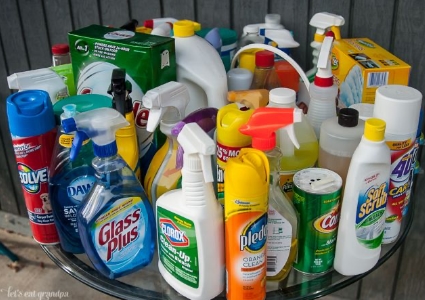
Cancer is a complex group of diseases with its causes falling into two main groups. In one group are external or environmental factors, accounting for more than 90% of all cancer cases. The other group includes hereditary or genetic factors which are responsible for the remainder. Cancer can usually be traced to DNA mutations that affect cell growth and metastasis. Substances and chemicals that cause DNA mutations are known as mutagens. Mutagens that cause cancers are known as carcinogens. It is known that children have a much lower tolerance to carcinogens than do adults. It is believed that many chemicals including garden pesticides, household cleaners, fireproofing materials, paints and automotive chemicals are carcinogens. Doctors warn that the incidence of cancer in American children has been increasing about 1% each year for the past 25 years. During this time, children’s exposure to toxic chemicals has also intensified.
Doctors say that we now know a lot more about the causes of childhood cancer than we did when the 1976 Toxic Substances Control Act (TSCA) was passed. TSCA doesn’t require chemicals to undergo safety testing before being released into the marketplace. The EPA has tested only about 250 of the 84,000 chemicals in use today and only 9 have been banned or restricted. This is because TSCA was written in a way that severely limits EPA’s ability to regulate chemicals. So, despite overwhelming evidence of the harm caused by asbestos, TSCA still doesn’t permit the EPA to ban this known carcinogen responsible for the deaths of at least 10,000 Americans every year. Critics say one reason for the increase in childhood cancer is their exposure to new chemicals which cause damage, or mutations, at the cellular level. They believe chemicals should be screened before people are exposed to them. They also point out that the Toxic Substances Control Act has not been updated in nearly 45 years.
The Frank R. Lautenberg Chemical Safety for the 21st Century Act, signed in 2016, significantly modernized the 1976 Toxic Substances Control Act (TSCA) by giving the EPA new authority to evaluate existing chemicals, mandate safety testing, and regulate them based on risk to public health and the environment, including vulnerable populations, with enforceable deadlines and increased transparency, moving away from the old system's inaction.
Pending Legislation: S.2341: Ensuring Safe and Toxic-Free Foods Act of 2025
Sponsor: Sen. Edward Markey (MA)
Status: Senate Committee on Health, Education, Labor, and Pensions
Chair: Sen. Bill Cassidy (LA)
Doctors say that we now know a lot more about the causes of childhood cancer than we did when the 1976 Toxic Substances Control Act (TSCA) was passed. TSCA doesn’t require chemicals to undergo safety testing before being released into the marketplace. The EPA has tested only about 250 of the 84,000 chemicals in use today and only 9 have been banned or restricted. This is because TSCA was written in a way that severely limits EPA’s ability to regulate chemicals. So, despite overwhelming evidence of the harm caused by asbestos, TSCA still doesn’t permit the EPA to ban this known carcinogen responsible for the deaths of at least 10,000 Americans every year. Critics say one reason for the increase in childhood cancer is their exposure to new chemicals which cause damage, or mutations, at the cellular level. They believe chemicals should be screened before people are exposed to them. They also point out that the Toxic Substances Control Act has not been updated in nearly 45 years.
The Frank R. Lautenberg Chemical Safety for the 21st Century Act, signed in 2016, significantly modernized the 1976 Toxic Substances Control Act (TSCA) by giving the EPA new authority to evaluate existing chemicals, mandate safety testing, and regulate them based on risk to public health and the environment, including vulnerable populations, with enforceable deadlines and increased transparency, moving away from the old system's inaction.
Pending Legislation: S.2341: Ensuring Safe and Toxic-Free Foods Act of 2025
Sponsor: Sen. Edward Markey (MA)
Status: Senate Committee on Health, Education, Labor, and Pensions
Chair: Sen. Bill Cassidy (LA)
- I oppose reforming current child chemical exposure policy and wish to donate resources to the campaign committee of Leader John Thune (SD).
- I support overhauling the FDA's "Generally Recognized As Safe" (GRAS) system, requiring mandatory, public safety reviews for food chemicals, banning carcinogens, creating a new reassessment office, and increasing transparency to prevent dangerous chemicals from entering the food supply, aiming to shift power from industry to the FDA for food safety by: 1.) Mandating that companies submit all GRAS notifications (including those currently self-affirmed) to the FDA for public review and comment. 2.) Barring substances with evidence of causing cancer, reproductive harm, or developmental toxicity from receiving GRAS status. 3.) Creating an independent Office of Food Chemical Safety Reassessment within the FDA. 4.) Mandating periodic, systematic reassessment of existing food chemicals for safety. 5.) Requiring public disclosure of safety information and expert reviews. 6.) Prohibiting individuals with conflicts of interest from reviewing scientific data for GRAS determinations. And wish to donate resources to the campaign committee of Sen. Bill Cassidy (LA) and/or to an advocate group currently working with this issue.
- I support overhauling the FDA's "Generally Recognized As Safe" (GRAS) system, requiring mandatory, public safety reviews for food chemicals, banning carcinogens, creating a new reassessment office, and increasing transparency to prevent dangerous chemicals from entering the food supply, aiming to shift power from industry to the FDA for food safety by:
1.) Mandating that companies submit all GRAS notifications (including those currently self-affirmed) to the FDA for public review and comment.
2.) Barring substances with evidence of causing cancer, reproductive harm, or developmental toxicity from receiving GRAS status.
3.) Creating an independent Office of Food Chemical Safety Reassessment within the FDA.
4.) Mandating periodic, systematic reassessment of existing food chemicals for safety.
5.) Requiring public disclosure of safety information and expert reviews.
6.) Prohibiting individuals with conflicts of interest from reviewing scientific data for GRAS determinations.
And wish to donate resources to the campaign committee of Sen. Bill Cassidy (LA) and/or to an advocate group currently working with this issue.
You May Pledge Your Support For This Issue With A Monetary
Donation And By Writing A Letter To Your Representatives
Donation And By Writing A Letter To Your Representatives
Please login to pledge
Pledge Period - Opening Date
January 5, 2026
Pledge Period - Closing Date
January 11, 2026
Trustee Election - Begins
January 12, 2026