
Pledging
These are the original issues in this subcategory
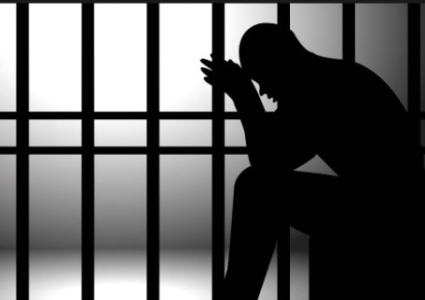
- MANDATORY MINIMUM SENTENCING
- THREE STRIKES LAWS
- CAPITAL PUNISHMENT
In an attempt to win the War on Drugs, we enacted mandatory minimum sentencing laws in 1986. These laws, intended to reduce or eliminate illegal drug supplies, were enforced against first-time offenders. All 50 states and DC also have mandatory minimum sentencing laws. Original mandatory minimum sentencing laws, later revised in 2005, required a mandatory minimum 10-year term of imprisonment and a maximum life term of imprisonment for trafficking offenses involving 5 kilograms of powdered cocaine or 50 grams of cocaine base (crack). The average sentence of these first-time nonviolent drug offenders is often longer than the average sentence for rape, child molestation, bank robbery or manslaughter. These laws have filled our prisons but the War on Drugs is no closer to being won now than it was when it began in 1971.
Before this law was passed, about 50,000 Americans were serving time for drug offenses. Today, there are nearly 400,000 drug offenders locked up. Our prison budget has increased more than 1,000% during this time to accommodate mandatory minimum sentences. Opponents of mandatory sentencing laws say prosecutors, by deciding how to charge and prosecute offenders, are now making sentencing decisions instead of judges. Critics claim mandatory sentencing laws have failed to decrease our nation's illegal drug supplies and that these inmates should not be serving such long terms for nonviolent crimes.
Pending Legislation: S.3482 - A bill to reform sentencing laws and correctional institutions, and for other purposes
Sponsor: Sen. Richard Durbin (IL)
Status: Senate Committee on the Judiciary
Chair: Sen. Chuck Grassley (IA)
Before this law was passed, about 50,000 Americans were serving time for drug offenses. Today, there are nearly 400,000 drug offenders locked up. Our prison budget has increased more than 1,000% during this time to accommodate mandatory minimum sentences. Opponents of mandatory sentencing laws say prosecutors, by deciding how to charge and prosecute offenders, are now making sentencing decisions instead of judges. Critics claim mandatory sentencing laws have failed to decrease our nation's illegal drug supplies and that these inmates should not be serving such long terms for nonviolent crimes.
Pending Legislation: S.3482 - A bill to reform sentencing laws and correctional institutions, and for other purposes
Sponsor: Sen. Richard Durbin (IL)
Status: Senate Committee on the Judiciary
Chair: Sen. Chuck Grassley (IA)
- I oppose reforming current mandatory minimum sentencing law policy and wish to donate resources to the campaign committee of Leader John Thune (SD).
- I support reforming U.S. sentencing laws and correctional systems by reducing mandatory minimums for certain drug offenses, making sentencing reforms retroactive (like the Fair Sentencing Act), and implementing programs for inmate rehabilitation and recidivism reduction, including job training, drug treatment, and banning solitary confinement for juveniles, all to create fairer, less costly justice by: 1.) Narrowing mandatory minimums, giving judges more discretion for non-violent offenders, while reducing enhanced penalties for prior drug felons (e.g., from life to 25 years for some repeat offenders). 2.) Making reforms from the Fair Sentencing Act (which addressed crack cocaine sentencing disparities) retroactive, potentially freeing thousands of federal prisoners. 3.) Including provisions for inmates to earn sentence reductions by participating in rehabilitative programs (work, job training, substance abuse treatment, faith-based activities). 4.) Banning solitary confinement for juveniles and allowing those sentenced to life to seek sentence review after 20 years, plus providing for juvenile record expungement for non-violent crimes. 5.) Requiring initial and annual reassessments of inmates' recidivism risk and providing incentives for program completion. And wish to donate resources to the campaign committee of Sen. Chuck Grassley (IA) and/or to an advocate group currently working with this issue.
- I support reforming U.S. sentencing laws and correctional systems by reducing mandatory minimums for certain drug offenses, making sentencing reforms retroactive (like the Fair Sentencing Act), and implementing programs for inmate rehabilitation and recidivism reduction, including job training, drug treatment, and banning solitary confinement for juveniles, all to create fairer, less costly justice by:
1.) Narrowing mandatory minimums, giving judges more discretion for non-violent offenders, while reducing enhanced penalties for prior drug felons (e.g., from life to 25 years for some repeat offenders).
2.) Making reforms from the Fair Sentencing Act (which addressed crack cocaine sentencing disparities) retroactive, potentially freeing thousands of federal prisoners.
3.) Including provisions for inmates to earn sentence reductions by participating in rehabilitative programs (work, job training, substance abuse treatment, faith-based activities).
4.) Banning solitary confinement for juveniles and allowing those sentenced to life to seek sentence review after 20 years, plus providing for juvenile record expungement for non-violent crimes.
5.) Requiring initial and annual reassessments of inmates' recidivism risk and providing incentives for program completion.
And wish to donate resources to the campaign committee of Sen. Chuck Grassley (IA) and/or to an advocate group currently working with this issue.
You May Pledge Your Support For This Issue With A Monetary
Donation And By Writing A Letter To Your Representatives
Donation And By Writing A Letter To Your Representatives
Please login to pledge
Pledge Period - Opening Date
January 12, 2026
Pledge Period - Closing Date
January 18, 2026
Trustee Election - Begins
January 19, 2026