
Pledging
These are the original issues in this subcategory
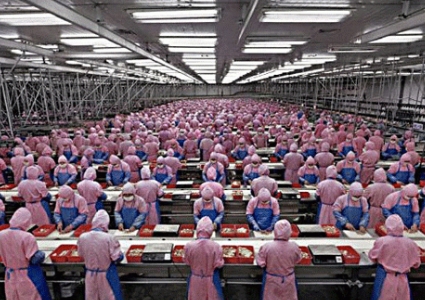
- CHILD FARMWORKERS
- TOBACCO FARMS
- FORCED LABOR
Our Labor Dept. has identified 204 goods from 82 countries made with forced labor and child labor in 2024. As America is the world’s largest importer, many investors and consumers are concerned about the human rights impact of these products in the U.S. market. Courts have ruled that consumers cannot sue in U.S. courts to enforce a provision in the 1930 Smoot Hawley Tariff Act which prohibits the importation of goods made with forced labor or convict labor. Advocates say the loopholes in this law have also limited its effectiveness and resulted in fewer than 40 enforcement actions over the past 80 years. Federal agencies are further impeded by the lack information about goods produced along supply chains tainted by these crimes and imported here. However, Federal law does provide for the termination of Federal contracts where a federal contractor or subcontractor uses forced labor in the performance of the grant, contract or cooperative agreement. And the Trafficking Victims Protection Act has criminal jurisdiction abroad over Federal employees, contractors or subcontractors who participate in severe forms of trafficking in persons or who use forced labor.
Pending Legislation: S.1685 - No Funds for Forced Labor Act
Sponsor: Sen. Rick Scott (FL)
Status: Senate Committee on Foreign Relations
Chair: Sen. Jim Risch (ID)
Pending Legislation: S.1685 - No Funds for Forced Labor Act
Sponsor: Sen. Rick Scott (FL)
Status: Senate Committee on Foreign Relations
Chair: Sen. Jim Risch (ID)
- I oppose reforming current forced labor policy and wish to donate resources to the campaign committee of Leader John Thune (SD).
- I support stopping American taxpayer money from indirectly funding projects using forced labor, especially in China's Xinjiang region, by directing the U.S. Treasury to oppose such projects at international financial institutions like the World Bank by: 1.) Targeting International Financial Institutions (IFIs) such as the World Bank and its lending arms, which receive U.S. funding. 2.) Mandating the U.S. Treasury Secretary to instruct U.S. directors at IFIs to advocate for opposing projects linked to forced labor. 3.) Specifically addressing concerns about forced labor in Xinjiang, China, affecting Uyghurs and other minorities. 4.) Requiring the Treasury Department to report annually to Congress on its efforts. 5.) Extending efforts beyond import bans to international financing, preventing U.S. dollars from supporting complicit companies or projects. And wish to donate resources to the campaign committee of Sen. Jim Risch (ID) and/or to an advocate group currently working with this issue.
- I support stopping American taxpayer money from indirectly funding projects using forced labor, especially in China's Xinjiang region, by directing the U.S. Treasury to oppose such projects at international financial institutions like the World Bank by:
1.) Targeting International Financial Institutions (IFIs) such as the World Bank and its lending arms, which receive U.S. funding.
2.) Mandating the U.S. Treasury Secretary to instruct U.S. directors at IFIs to advocate for opposing projects linked to forced labor.
3.) Specifically addressing concerns about forced labor in Xinjiang, China, affecting Uyghurs and other minorities.
4.) Requiring the Treasury Department to report annually to Congress on its efforts.
5.) Extending efforts beyond import bans to international financing, preventing U.S. dollars from supporting complicit companies or projects.
And wish to donate resources to the campaign committee of Sen. Jim Risch (ID) and/or to an advocate group currently working with this issue.
You May Pledge Your Support For This Issue With A Monetary
Donation And By Writing A Letter To Your Representatives
Donation And By Writing A Letter To Your Representatives
Please login to pledge
Pledge Period - Opening Date
January 12, 2026
Pledge Period - Closing Date
January 18, 2026
Trustee Election - Begins
January 19, 2026