
Pledging
These are the original issues in this subcategory
- WORKER SAFETY
- LABOR DISPUTES
- UNEMPLOYMENT
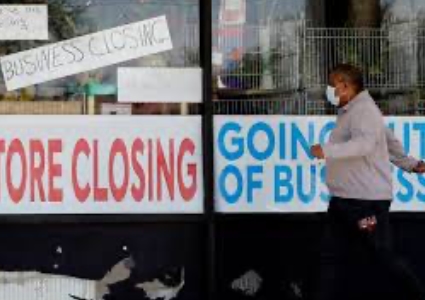
In September 2020, due to the coronavirus pandemic, our unemployment rate was 7.9% and there were only 123 million full-time employees in the U.S. workforce. Unemployment rates do not include the number of people who have stopped looking for work or those who are underemployed. If these people were included, our actual unemployment rate would be nearly double what it is actually reported to be. Unemployment insurance was a major element of our government’s response to the economic dislocation caused by the COVID-19 pandemic. However, the pandemic also showed this system cannot accommodate a large influx of applicants without acquiring a huge backlog of unemployed people unable to get paid. During this crisis, many of these unhappy applicants waited three months or more to receive benefits. Fortunately, today’s unemployment is about 3.7%, a rate unseen since the Nixon Administration. Advocates say we need to upgrade state unemployment insurance systems to be able to process a surge in benefit claims in a timely manner should we have another crisis or an economic recession.
Pending Legislation: S.2312 - Unemployment Insurance Modernization and Recession Readiness Act
Sponsor: Sen. Ron Wyden (OR)
Status: Senate Committee on Finance
Chair: Sen. Mike Crapo (ID)
Pending Legislation: S.2312 - Unemployment Insurance Modernization and Recession Readiness Act
Sponsor: Sen. Ron Wyden (OR)
Status: Senate Committee on Finance
Chair: Sen. Mike Crapo (ID)
- I oppose reforming current unemployment policy and wish to donate resources to the campaign committee of Leader John Thune (SD).
- I support reforming and strengthening the nation's unemployment insurance (UI) system by: 1.) Reforming the Extended Benefits program to automatically provide more weeks of benefits when unemployment rises during an economic downturn, instead of relying on slow-to-activate triggers. 2.) Requiring the federal government to provide 100% of the funding for extended benefits, up from the current 50%. 3.) Establishing national standards for state UI programs that would require states to meet certain criteria to receive federal tax credits. States would be required to offer at least 26 weeks of benefits. 4.) Requiring states to replace 75% of a worker's average weekly earnings, up to a maximum amount based on the state's average weekly wage. During major disasters or public health emergencies, the replacement rate would increase to 100% and be fully federally funded. 5.) Broadening eligibility to include part-time workers and those who leave a job for compelling family or personal reasons, such as illness, harassment, or a loss of childcare. 6.) Eliminating the one-week waiting period for benefits and requires states to operate short-time compensation (work-sharing) and self-employment assistance programs. 7.) Creating a new, federally funded Jobseeker Allowance for unemployed workers who are not covered by traditional UI programs, including self-employed workers, recent graduates, and others entering or re-entering the workforce. 8.) Providing up to $250 per week (adjusted for inflation) for up to 26 weeks, with potential extensions during periods of high unemployment. And wish to donate resources to the campaign committee of Sen. Mike Crapo (ID) and/or to an advocate group currently working with this issue.
- I support reforming and strengthening the nation's unemployment insurance (UI) system by:
1.) Reforming the Extended Benefits program to automatically provide more weeks of benefits when unemployment rises during an economic downturn, instead of relying on slow-to-activate triggers.
2.) Requiring the federal government to provide 100% of the funding for extended benefits, up from the current 50%.
3.) Establishing national standards for state UI programs that would require states to meet certain criteria to receive federal tax credits. States would be required to offer at least 26 weeks of benefits.
4.) Requiring states to replace 75% of a worker's average weekly earnings, up to a maximum amount based on the state's average weekly wage. During major disasters or public health emergencies, the replacement rate would increase to 100% and be fully federally funded.
5.) Broadening eligibility to include part-time workers and those who leave a job for compelling family or personal reasons, such as illness, harassment, or a loss of childcare.
6.) Eliminating the one-week waiting period for benefits and requires states to operate short-time compensation (work-sharing) and self-employment assistance programs.
7.) Creating a new, federally funded Jobseeker Allowance for unemployed workers who are not covered by traditional UI programs, including self-employed workers, recent graduates, and others entering or re-entering the workforce.
8.) Providing up to $250 per week (adjusted for inflation) for up to 26 weeks, with potential extensions during periods of high unemployment.
And wish to donate resources to the campaign committee of Sen. Mike Crapo (ID) and/or to an advocate group currently working with this issue.
You May Pledge Your Support For This Issue With A Monetary
Donation And By Writing A Letter To Your Representatives
Donation And By Writing A Letter To Your Representatives
Please login to pledge
Pledge Period - Opening Date
February 2, 2026 @00:01 Universal Coordinated Time (UTC)
Pledge Period - Closing Date
February 8, 2026 @23:59 Universal Coordinated Time (UTC)
Trustee Election - Begins
February 9, 2026